
What Is Honeycomb? How Is It Made? Can I Eat It? and Is It Healthy?
- Atherton Honey
- Mar 1
- 4 min read
Updated: May 20
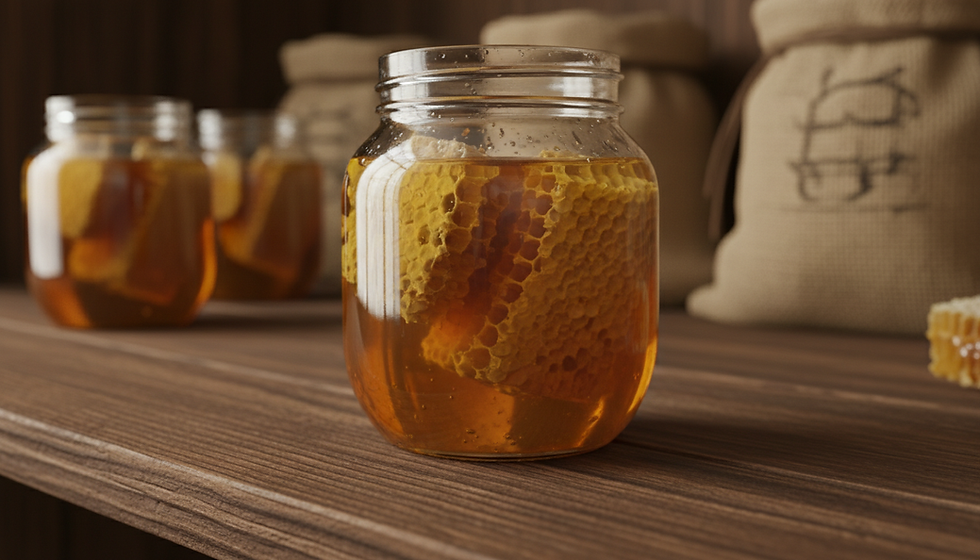
Honeycomb is one of nature’s most fascinating creations. It’s not just a beautiful structure made by bees but also a delicious and nutritious treat that many people enjoy. If you’ve ever wondered what honeycomb really is, how it’s made, whether you can eat it, and if it’s good for you, you’re in the right place! Let’s dive into the sweet world of honeycomb together.
What Exactly Is Honeycomb?
Honeycomb is a natural structure made by honeybees. It consists of hexagonal wax cells built by worker bees inside their hives. These cells serve multiple purposes: they store honey, pollen, and house bee larvae. The hexagonal shape is no accident - it’s a perfect design that uses the least amount of wax to hold the most honey, making it incredibly efficient.
The wax that forms the honeycomb is secreted by special glands on the worker bees’ abdomens. Once secreted, the bees chew the wax flakes until soft and mouldable, then carefully shape them into those neat hexagonal cells. The bees then fill these cells with honey, which they produce by collecting nectar from flowers and transforming it through a process of digestion and evaporation.
Honeycomb is often golden or pale yellow, depending on the type of flowers the bees have visited and the age of the comb. Older combs tend to be darker because of repeated use and the accumulation of pollen and propolis.

How Is Honeycomb Made?
The making of honeycomb is a true marvel of teamwork and natural engineering. Here’s a simple breakdown of the process:
Wax Production: Worker bees aged about 12 to 18 days produce wax flakes from glands on their abdomen.
Wax Manipulation: The bees chew the wax flakes to soften them, making the wax pliable.
Cell Construction: Using their mandibles, bees shape the wax into hexagonal cells. The hexagon is the most efficient shape for packing cells tightly without gaps.
Honey Storage: Once the cells are built, bees fill them with honey. They add enzymes to the nectar and fan their wings to evaporate water, thickening the nectar into honey.
Sealing the Cells: When the honey is ready, bees cap the cells with a thin layer of wax to keep it fresh.
This process is a perfect example of nature’s efficiency and teamwork. The honeycomb not only stores food but also provides a nursery for baby bees, making it essential for the hive’s survival.
Can I Eat Honeycomb?
Absolutely! Honeycomb is edible, and many people love eating it straight from the hive. It’s a delightful experience to bite into the waxy cells filled with sweet honey. The wax itself is chewable and safe to eat, though it’s not digestible and usually spat out after enjoying the honey.
Eating honeycomb offers a unique texture and flavour that you won’t get from liquid honey alone. The wax adds a subtle chewiness, and the honey inside is fresh, raw, and packed with natural goodness.
Here are some popular ways to enjoy honeycomb:
Straight from the comb: Just cut a piece and enjoy the sweet, fresh honey with the wax.
On toast or crackers: Spread a bit of honeycomb on warm toast or crisp crackers for a tasty snack.
With cheese: Pair honeycomb with soft cheeses like brie or goat cheese for a delicious contrast of flavours.
In salads: Crumble small pieces of honeycomb over salads for a sweet crunch.
As a garnish: Use honeycomb to decorate desserts or breakfast bowls.
If you’re buying honeycomb, look for local sources like atherton honey to ensure freshness and quality. Local honeycomb often reflects the unique floral flavours of your region, making it a special treat.

Is Honeycomb Healthy?
Honeycomb is more than just a tasty treat - it’s packed with health benefits! Here’s why honeycomb can be a great addition to your diet:
Rich in antioxidants: Raw honey in the comb contains antioxidants that help protect your body from free radicals and support overall health.
Natural antibacterial properties: Honey has been used for centuries for its antibacterial and wound-healing properties.
Supports digestion: The enzymes in raw honey can aid digestion and promote gut health.
Contains bee pollen and propolis: These natural substances found in honeycomb have anti-inflammatory and immune-boosting effects.
Unprocessed and raw: Unlike processed honey, honeycomb is raw and unfiltered, preserving all its natural nutrients.
That said, honeycomb is still a form of sugar, so it’s best enjoyed in moderation. It’s a healthier alternative to refined sugars and artificial sweeteners, but keeping portion sizes reasonable is key.
If you have allergies to bee products or pollen, it’s wise to consult your doctor before trying honeycomb. For most people, though, it’s a safe and wholesome treat.
How to Store and Use Honeycomb at Home
Once you bring honeycomb home, you’ll want to keep it fresh and delicious. Here are some handy tips:
Storage: Keep honeycomb in an airtight container at room temperature. Avoid refrigeration as it can harden the wax and change the texture.
Shelf life: Honeycomb can last for months if stored properly because honey is a natural preservative.
Serving: Use a clean knife to cut pieces of honeycomb. You can eat it as is or add it to your favourite dishes.
Avoid moisture: Keep honeycomb dry to prevent fermentation or spoilage.
Honeycomb is incredibly versatile. Try adding it to your breakfast bowls, yoghurt, or even cocktails for a natural sweetener with a twist. It’s also a fantastic gift for friends and family who appreciate natural, local foods.
Supporting Bees and Your Local Environment
By choosing honeycomb from local producers like atherton honey, you’re not just enjoying a delicious product - you’re supporting bee conservation and sustainable beekeeping. Bees are vital pollinators, helping plants grow and ecosystems thrive.
Local beekeepers work hard to protect these essential insects and educate communities about their importance. When you buy local honeycomb, you help fund these efforts and encourage environmentally friendly practices.
Plus, local honeycomb often contains pollen from native plants, which can help build your immunity to local allergens. It’s a win-win for your health and the environment!
The Sweet Benefits of Honeycomb
Honeycomb is truly a gift from nature - a perfect blend of beauty, nutrition, and sustainability. Whether you’re tasting it for the first time or already a fan, I hope this guide inspires you to explore the sweet world of honeycomb and appreciate the incredible work of our buzzing friends. Enjoy every bite!
So, what are you waiting for? Dive into the delightful experience of honeycomb today!


Comments